Kirsty Coventry

Coventry ignites a controversy: does the IOC, truly, put athletes first?

Coventry ignites a controversy: does the IOC, truly, put athletes first?

The won’t-go-away controversy over new IOC president Kirsty Coventry’s assertion that she is not a proponent of prize money at the Olympics underscores the disconnect — the chasm, really — between the vision of the modern Games as they have been, a chase for glory, and glory only, as memorably depicted in “Chariots of Fire,” and the way they need to evolve to be now, in our 21st century.

Nothing moves without money, and the time has come for the IOC to take the logical (next) steps and, at the least, make sure that athletes who come to the Games get paid (an appearance fee, if you will) and that those who win medals get paid even more. And those who break Olympic or world records? More still.

And, for the sake of all that is decent, at long last give the athletes access to their images.

318 days in, Kirsty Coventry is clearly executing a pivot -- or is it a repudiation?

318 days in, Kirsty Coventry is clearly executing a pivot -- or is it a repudiation?

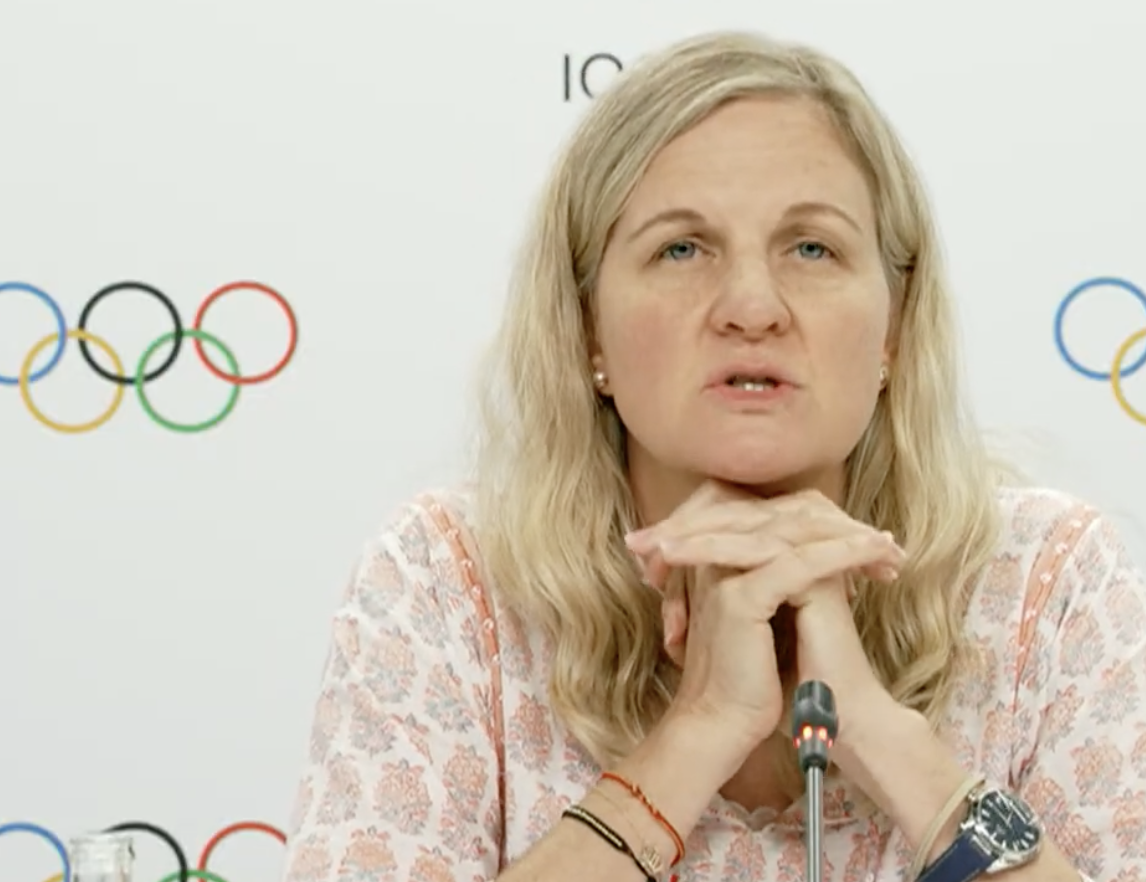
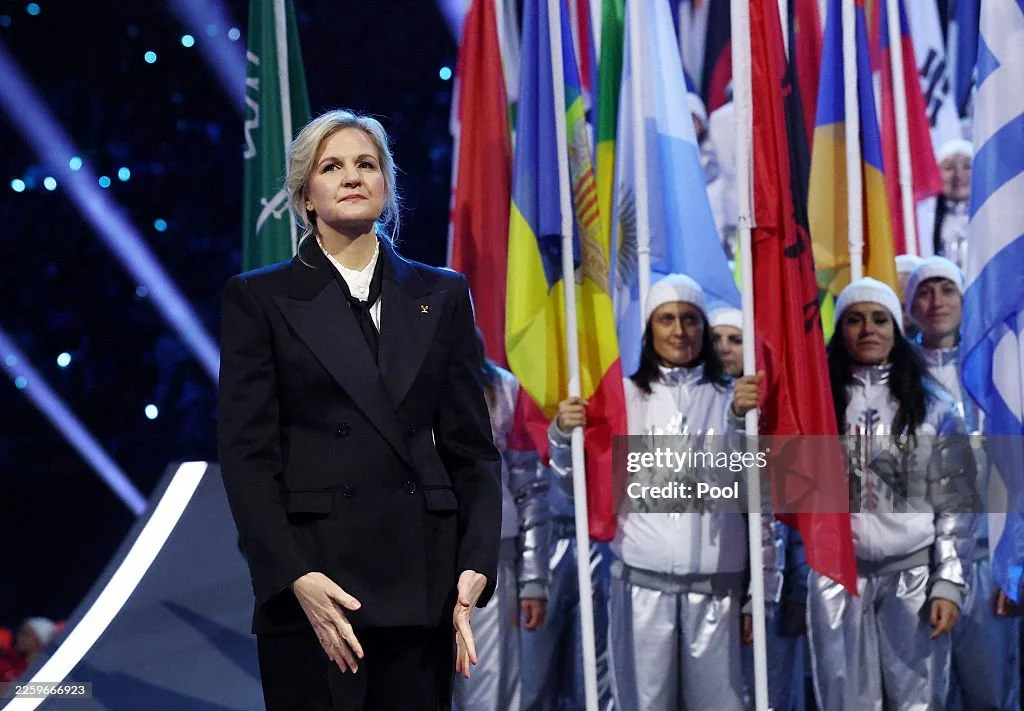
Kirsty Coventry has been president of the International Olympic Committee for, by her count at a news conference Thursday, 318 days.

In almost every meaningful way, Coventry is now executing a pivot away from predecessor Thomas Bach, IOC president from September 2013 until last June. Indeed, it is said behind the scenes in Lausanne, at IOC headquarters, that Coventry has little to maybe no interest in the past — only what lies ahead. 

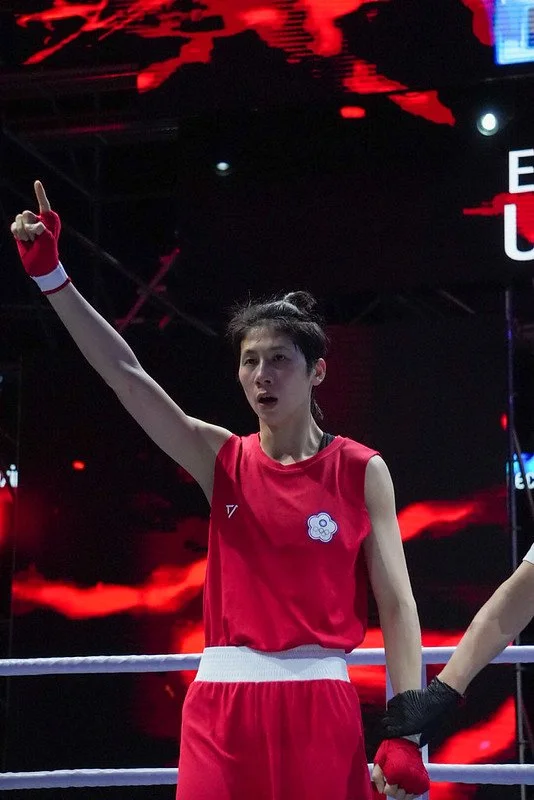
Spotlight turns to Yu-Ting Lin, deemed eligible for women's boxing -- on what grounds?

Spotlight turns to Yu-Ting Lin, deemed eligible for women's boxing -- on what grounds?

Yu-Ting Lin of Chinese Taipei, a gold medalist in women’s boxing at the 2024 Paris Olympics, took bronze Monday in the 2026 Asian continental boxing championships.

In Paris, Lin won the 57-kilogram class (just over 125 pounds) to become Taiwan’s first Olympic boxing champion. Heading toward two years later, Lin is now fighting at 60 kilos (132 pounds). The Asian championships were held in the capital of Mongolia, Ulaanbaatar.

After Monday’s action, Lin’s coach, Tzu-Chiang Tseng, emphasized for the China News Agency the value of Lin fighting up a category: “After all, this is our first time competing in the 60-kilo division after the Olympics. The opponents’ skills, strategies and styles are all new to us, so we used this opportunity to observe and learn.”

This is not the story.

The story is, rather, how this could have been allowed to happen in the first instance. 

Tribunal rightly denies Ukrainian skeleton racer legal 'miracle on ice'

Tribunal rightly denies Ukrainian skeleton racer legal 'miracle on ice'

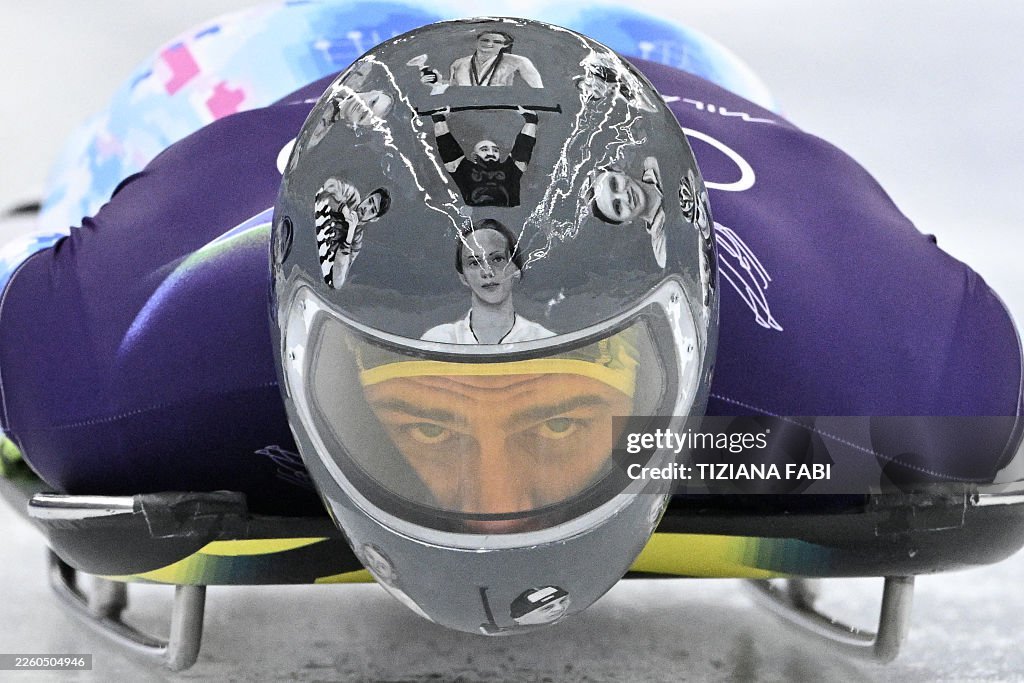
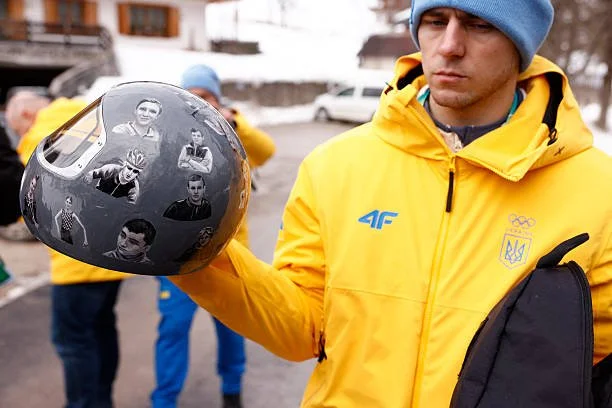
MILAN — Vladyslav Heraskevych, the Ukrainian skeleton racer disqualified for insisting he wanted to race in a helmet adorned with the faces of athletes killed by Russia, had said he was hoping for a new “miracle on ice.”

Instead, and predictably, came this ruling: the IOC was right to disqualify him because Olympic rules “state that freedom of speech is a fundamental right of any athlete competing in the Olympic Games, but limit the right to express views during competitions on the field of play.”

Rules, IOC says. Ukrainian skeleton racer says, this is more important

Rules, IOC says. Ukrainian skeleton racer says, this is more important

MILAN — The International Olympic Committee had no choice, really, but to disqualify the Ukrainian skeleton racer Vladyslav Heraskevych. Rules are rules.

For his part, Heraskevych, by putting himself at the center of a frenzy he could know with unequivocal certainty would explode to become the centerpiece of this first week of the 2026 Milano-Cortina Games, delivered a master class in orchestrating a media strategy to maximum effect.

This controversy threatens to become one of the defining storylines in the history — the telling — of the 2026 Winter Games. If it’s about rules, it’s equally — if not more — about narrative and, in this context, narrative’s increasingly frequent traveling partner, raw emotion.

In which the IOC meets the African philosophy 'ubuntu'

In which the IOC meets the African philosophy 'ubuntu'

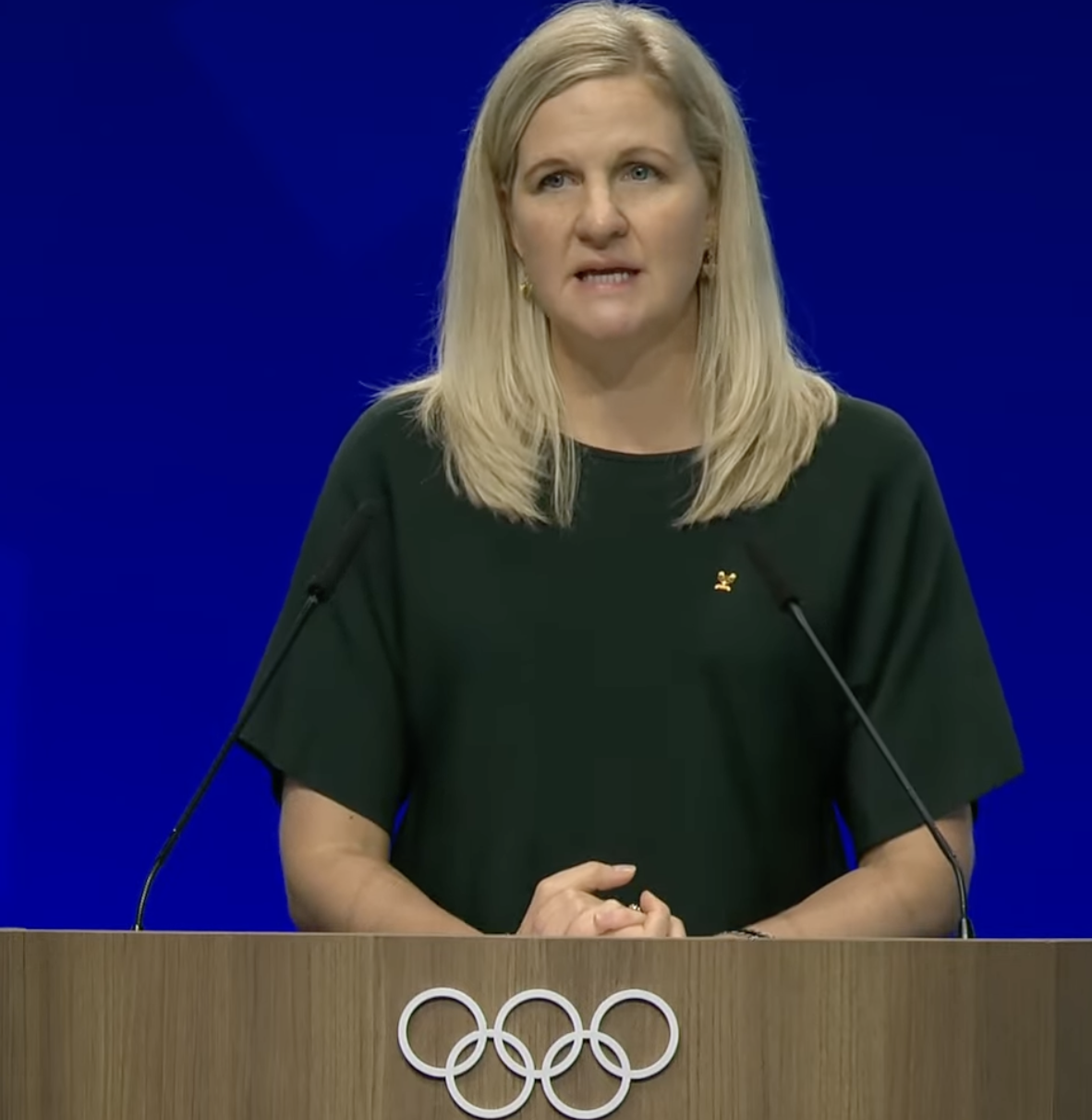
MILAN — In her remarks Friday at the Milano-Cortina 2026 opening ceremony, IOC president Kirsty Coventry invoked the African philosophy called ubuntu.

The essence of ubuntu, linked in particular in history to Nelson Mandela and Archbishop Demond Tutu, is that one’s humanity is inextricably connected to the humanity of everyone else. 

What might ubuntu mean for the way the IOC operates, as a touchstone for key decisions, the way the organization — which dates to 1894 — positions itself in these middle years of the 21st century? The IOC is, has always been, Eurocentric. And now this rooted-in-Africa philosophy? Can Kirsty Coventry get ubuntu buy-in?

The Olympic Charter is clear: all means all

The Olympic Charter is clear: all means all

The immediate past president of the International Olympic Committee, Thomas Bach, served for 12 years with this elegant guiding notion: “unity in diversity.”\

Six years ago, Bach wrote a column published in The Guardian, the British newspaper, that read, in part: “The Olympic Games cannot prevent wars and conflicts. Nor can they address all the political and social challenges in our world. But they can set an example for a world where everyone respects the same rules and one another.”

The new IOC president, Kirsty Coventry, elected in March, faces enormous challenge in delivering on the aspirational promise of the Olympics that Bach articulated so eloquently. 

The Olympic system under threat - from Indonesia - and what IOC should do

The Olympic system under threat - from Indonesia - and what IOC should do

That mission is at grave risk because the government of Indonesia is not allowing a six-member Israeli team to compete in the world gymnastics championships due to begin next week in Jakarta.

The IOC’s mission then is the mission now: to put sport at the  “service of the harmonious development of humankind, with a view to promoting a peaceful society concerned with the preservation of human dignity,” as it says in the Olympic Charter. 

The IOC's first female (and first African) president: Kirsty Coventry

The IOC's first female (and first African) president: Kirsty Coventry

COSTA NAVARINO, Greece – The International Olympic Committee, founded in 1894, has had nine presidents.

All have been white men. Eight have been Europeans. Avery Brundage, 1952-72, was American.

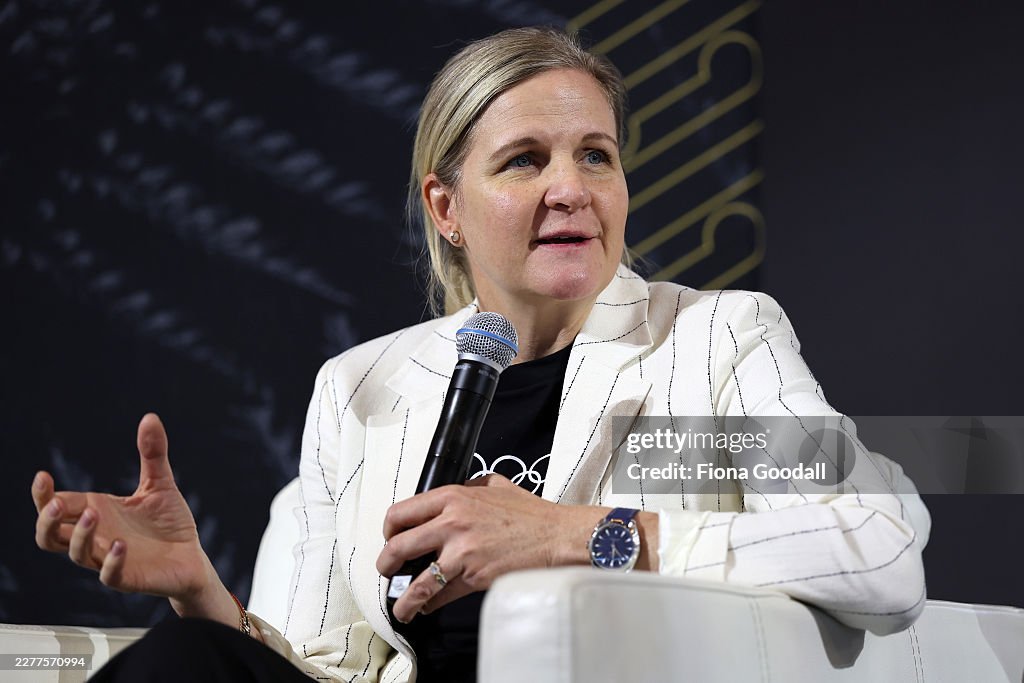
On Thursday, in just a single round of voting, the IOC elected Kirsty Coventry, 41, of Zimbabwe, its 10th president. She will formally take over from Thomas Bach in June in Lausanne. He was elected in 2013 and is termed out.

What might have been, and a warning for what IOC presidential voting needs to be

What might have been, and a warning for what IOC presidential voting needs to be

COSTA NAVARINO, Greece – Before Thursday’s vote here for the next president of the International Olympic Committee, it’s worth taking a moment to think about what might have been.

And how one of the most shocking deaths in the Olympic scene reverberates, still – with a warning for what is to come in arguably the most consequential IOC presidential election, ever.

It was the summer of 2018, and on the outdoor patio of the Royal Savoy hotel in Lausanne, Patrick Baumann and a few others were enjoying cigars and libations. 

Three months later, he was gone — dead of a heart attack at the Buenos Aires Youth Games.