
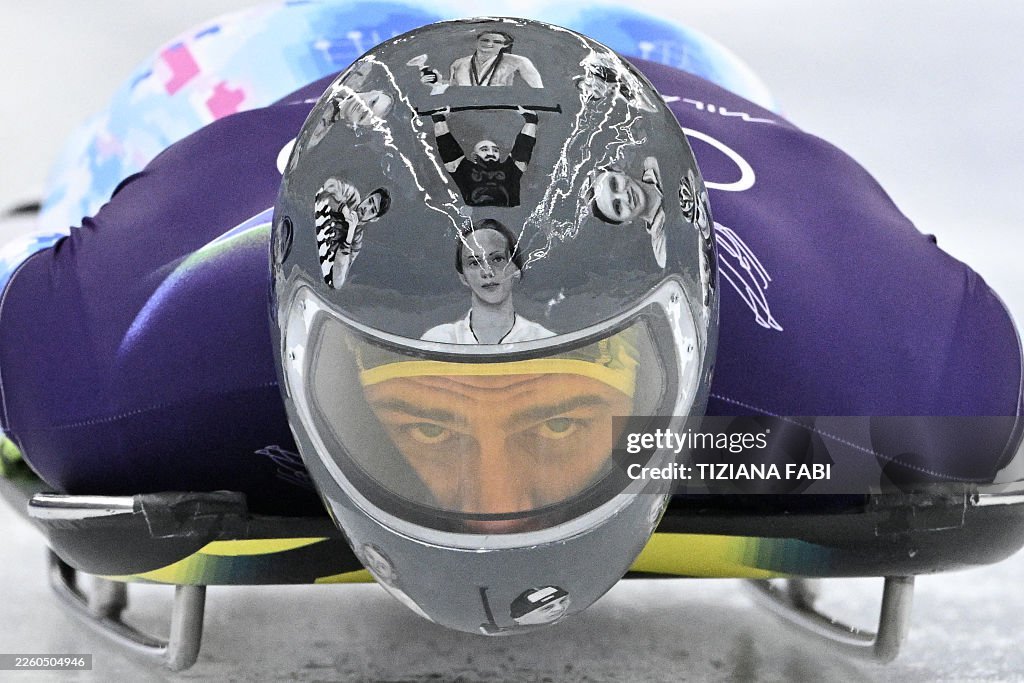
Vladyslav Heraskevych

Tribunal rightly denies Ukrainian skeleton racer legal 'miracle on ice'

Tribunal rightly denies Ukrainian skeleton racer legal 'miracle on ice'

MILAN — Vladyslav Heraskevych, the Ukrainian skeleton racer disqualified for insisting he wanted to race in a helmet adorned with the faces of athletes killed by Russia, had said he was hoping for a new “miracle on ice.”

Instead, and predictably, came this ruling: the IOC was right to disqualify him because Olympic rules “state that freedom of speech is a fundamental right of any athlete competing in the Olympic Games, but limit the right to express views during competitions on the field of play.”
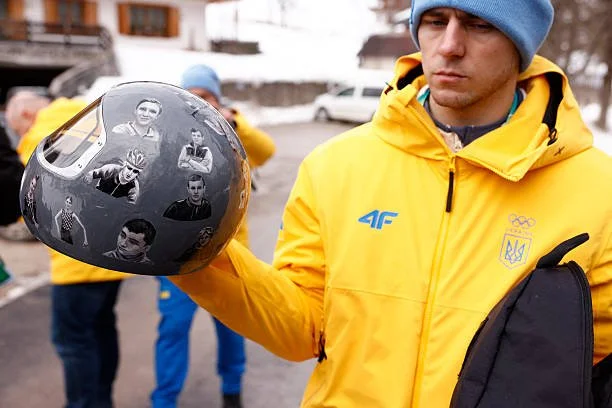
Rules, IOC says. Ukrainian skeleton racer says, this is more important

Rules, IOC says. Ukrainian skeleton racer says, this is more important

MILAN — The International Olympic Committee had no choice, really, but to disqualify the Ukrainian skeleton racer Vladyslav Heraskevych. Rules are rules.

For his part, Heraskevych, by putting himself at the center of a frenzy he could know with unequivocal certainty would explode to become the centerpiece of this first week of the 2026 Milano-Cortina Games, delivered a master class in orchestrating a media strategy to maximum effect.

This controversy threatens to become one of the defining storylines in the history — the telling — of the 2026 Winter Games. If it’s about rules, it’s equally — if not more — about narrative and, in this context, narrative’s increasingly frequent traveling partner, raw emotion.