We couldn't find the page you were looking for. This is either because:
There is an error in the URL entered into your web browser. Please check the URL and try again.
The page you are looking for has been moved or deleted.
Try searching for the content you are seeking:
Latest Sports News from 3 Wire Sports:
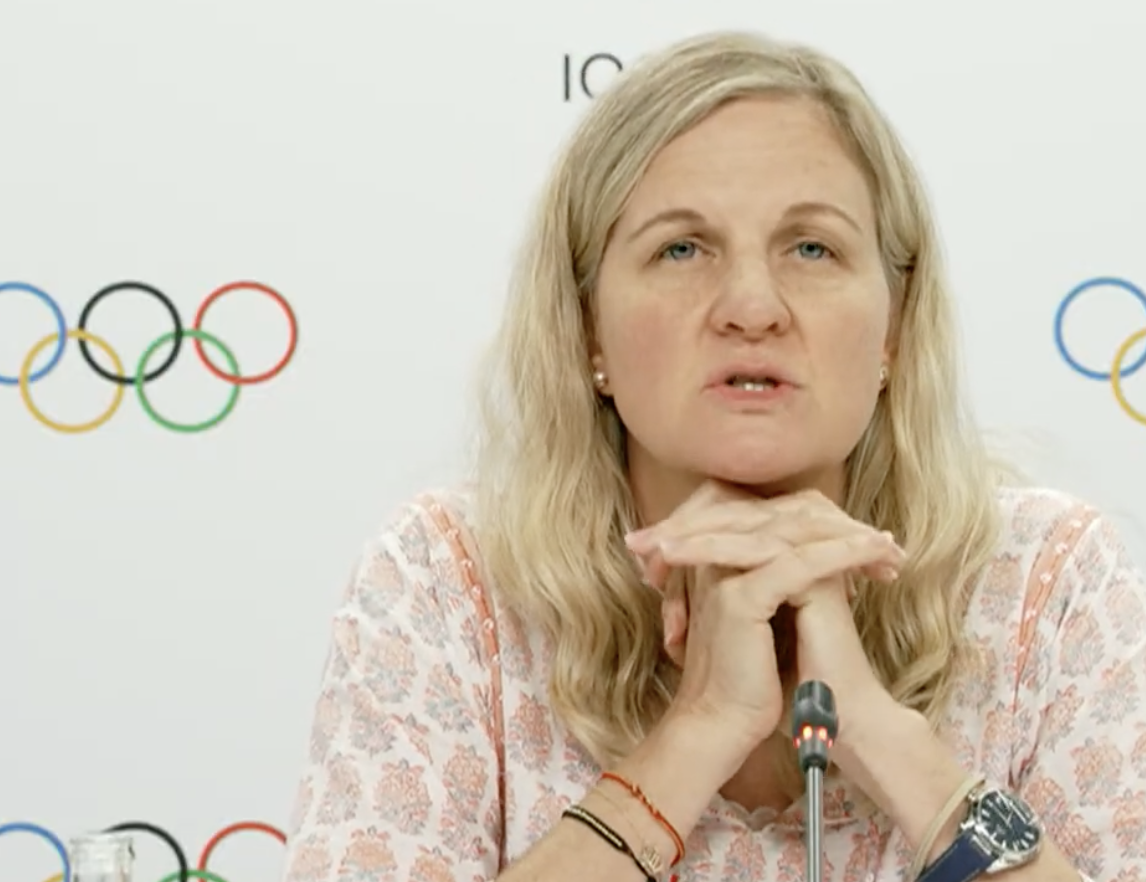
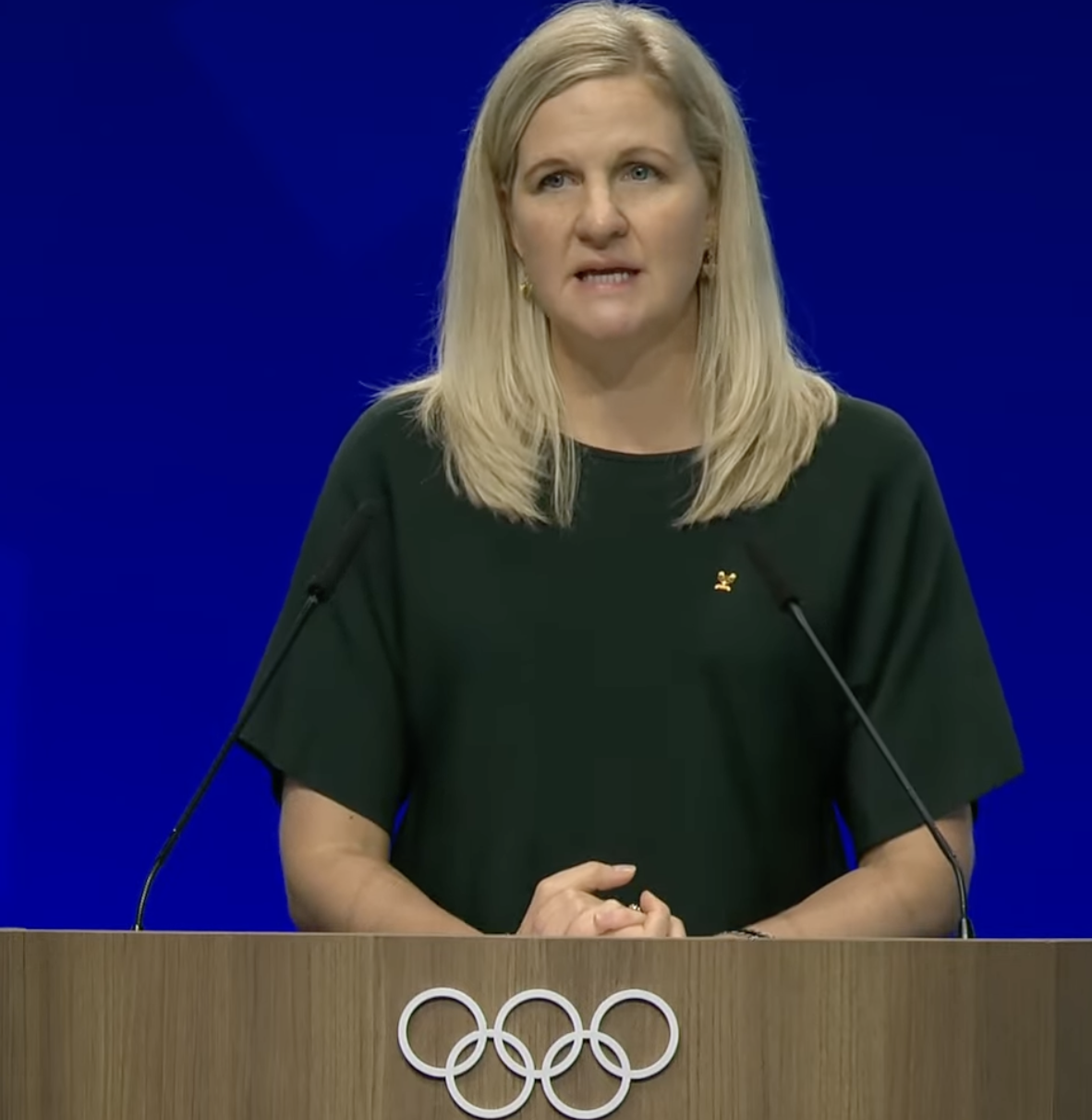
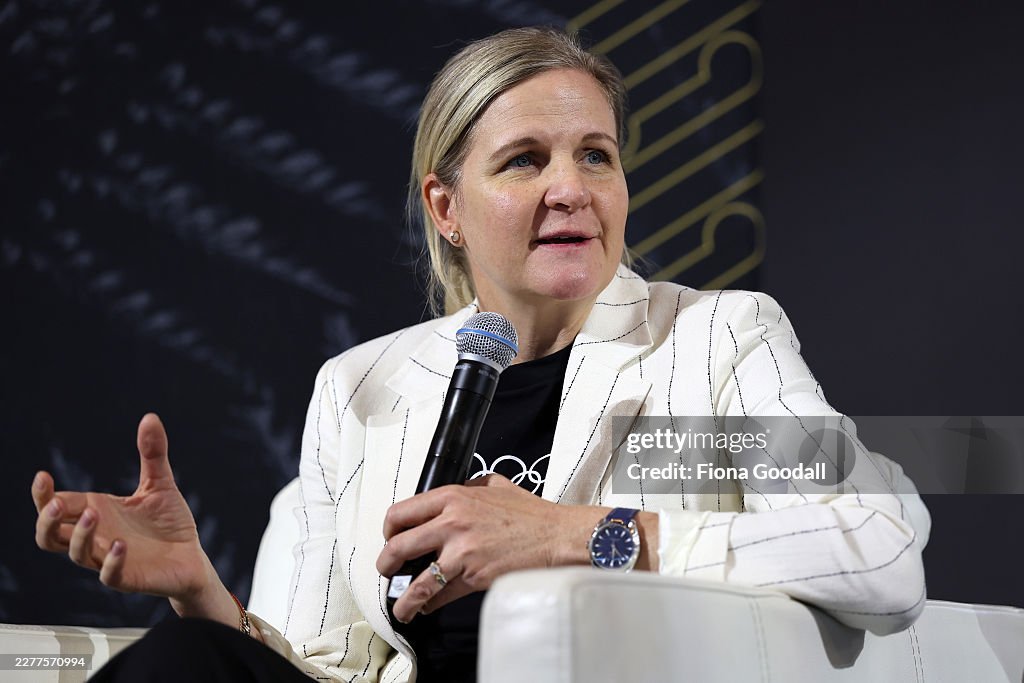
“The kind of movement we want for the future must … be reflected in how we lead,” IOC president Kirsty Coventry said Wednesday amid her opening remarks to the assembly.
OK, so how is Kirsty Coventry leading? What is “Fit for the Future,” really?
How about a $10,000 “grant” for every Olympic athlete?
What about, though, a potential Hunger Games-style infighting for those sports - er, disciplines - fighting to stay on the Olympic program?
The won’t-go-away controversy over new IOC president Kirsty Coventry’s assertion that she is not a proponent of prize money at the Olympics underscores the disconnect — the chasm, really — between the vision of the modern Games as they have been, a chase for glory, and glory only, as memorably depicted in “Chariots of Fire,” and the way they need to evolve to be now, in our 21st century.
Nothing moves without money, and the time has come for the IOC to take the logical (next) steps and, at the least, make sure that athletes who come to the Games get paid (an appearance fee, if you will) and that those who win medals get paid even more. And those who break Olympic or world records? More still.
And, for the sake of all that is decent, at long last give the athletes access to their images.
The men’s World Cup is nearly upon us, and with it a telling if not altogether disturbing push in some quarters to turn to Celsius, meters and, worst of all, British English.
We the People! This summer, as the World Cup bracket plays out, marks the 250th anniversary of the Declaration of Independence. The 13 colonies broke away from the British. We won. This is the United States of America. And so this truth ought to be self-evident: let’s speak American English.
Kirsty Coventry has been president of the International Olympic Committee for, by her count at a news conference Thursday, 318 days.
In almost every meaningful way, Coventry is now executing a pivot away from predecessor Thomas Bach, IOC president from September 2013 until last June. Indeed, it is said behind the scenes in Lausanne, at IOC headquarters, that Coventry has little to maybe no interest in the past — only what lies ahead.
Yu-Ting Lin of Chinese Taipei, a gold medalist in women’s boxing at the 2024 Paris Olympics, took bronze Monday in the 2026 Asian continental boxing championships.
In Paris, Lin won the 57-kilogram class (just over 125 pounds) to become Taiwan’s first Olympic boxing champion. Heading toward two years later, Lin is now fighting at 60 kilos (132 pounds). The Asian championships were held in the capital of Mongolia, Ulaanbaatar.
After Monday’s action, Lin’s coach, Tzu-Chiang Tseng, emphasized for the China News Agency the value of Lin fighting up a category: “After all, this is our first time competing in the 60-kilo division after the Olympics. The opponents’ skills, strategies and styles are all new to us, so we used this opportunity to observe and learn.”
This is not the story.
The story is, rather, how this could have been allowed to happen in the first instance.

The International Olympic Committee on Tuesday lifted its suspension of the Russian Olympic Committee, a move that makes it all the more likely — probable — a full Russian team will compete at the Los Angeles 2028 Summer Games.
The decision Tuesday was inevitable.
Too, appropriate — and way past overdue, the key step in correction of a series of IOC actions taken after the Russian invasion of Ukraine in 2022 that have constructively achieved, what?
Absolutely nothing.